garage door spring

Garage Door Springs – All You Need To Know

Springs are an essential part of any garage door, and they play a vital role in ensuring that the garage doors operate smoothly and efficiently. There are two main types of springs that are used on garage doors - standard torsion springs and extension springs. In this article, we will take a closer look at each type of spring, and explain how they work to help lift your garage door.

Garage Door Springs – All You Need To Know

Torsion Springs

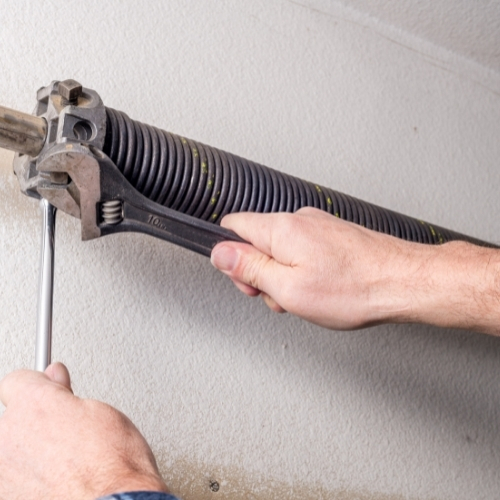
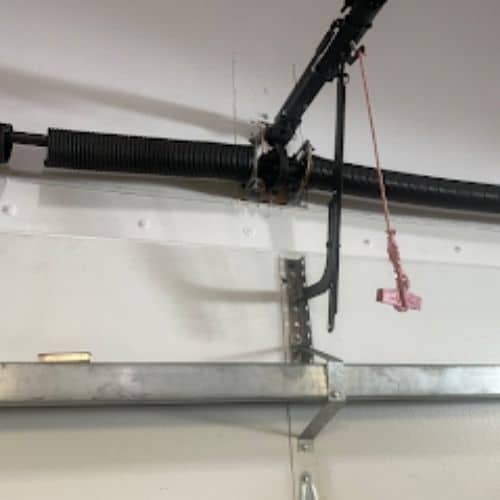
Torsion springs are the most common type of spring used on residential garage doors. These springs are located above the door opening, and they work by winding and unwinding as the garage door opens and closes. The tension in the springs helps to counterbalance the garage door weight, making it easier to open and close.

Torsion springs installation

If you are installing torsion springs on a new garage door, you will need to install the springs above the door opening. The first step is to measure the height of the door and then cut the springs to size. Next, you will need to mount the springs on the brackets that are attached to the header above the door opening. Finally, you will need to attach the safety cable to the drums at the bottom of the door and adjust the tension in the springs.

Нow to Choose Torsion Spring for a Garage Door

The length of the garage door spring does matter, as a longer spring will provide more tension and a shorter spring will provide less tension. It is important to choose the right size spring for your garage door, as an incorrect size spring can cause serious damage to your door or garage door opener.

Here is a steps guide on how to choose the correct garage door torsion spring:

1. Determine the width of your garage door.

2. Measure the height of your garage door.

3. Multiply the width by the height to get the square footage.

4. Divide the square footage by 2 for a 1-car garage, or by 3 for a 2-car garage.

5. Find the appropriate spring size from the chart below that matches your garage door size.

Spring Size For Your Garage Door

Spring Size Square Footage
5/8" x 1-3/4" Up to 50
3/4" x 2" 51-70
7/8" x 2-1/4" 71-90
1" x 2-1/2" 91-110

 6. Once you have determined the correct spring size, select the springs with the correct number of cycles for your garage door opener.

Number of Cycles Spring Size
7,500 5/8" x 1-3/4"
10,000 3/4" x 2"
12,000 7/8" x 2-1/4"
15,000 1" x 2-1/2"

Garage Door torsion springs code

The first thing you’ll need to do is identify the code on your garage door torsion springs. The code will be stamped on one end of the spring, and will look something like this:

5125 X 1.75 30 S

The code consists of four parts:

  1. The spring wire size – This is the diameter of the wire that makes up the spring. In this example, the wire size is 5/16″.
  2. The inside diameter – This is the diameter of the spring when it is not under tension. In this example, the inside diameter is 1-3/4″.
  3. The sp length – This is the length of the spring when it is not under tension. In this example, the length is 30″.
  4. The spring rate – This is the amount of tension that the spring will exert per inch of travel. In this example, the spring rate is 1.75 pounds per inch.

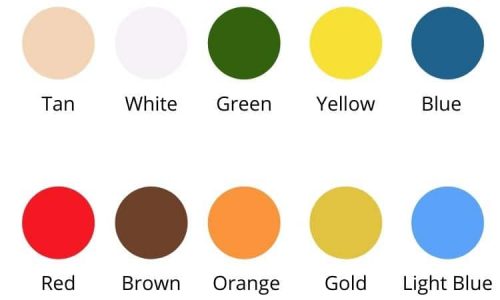
Garage Door Springs Color Code

  • Tan: 100 lbs.
  • White: 110 lbs.
  • Green: 120 lbs.
  • Yellow: 130 lbs.
  • Blue: 140 lbs
  • Red: 150 lbs
  • Brown: 160 lbs
  • Orange: 170 lbs
  • Gold: 180 lbs
  • Light blue: 190 lbs
springs color code

Need A Garage Door Spring Repair?

replace garage door springs

Once you have the correct springs, you will need to install the replacement springs on your garage door. This is a two-person job, as the springs are under a lot of tension and can be dangerous to work with.

  1. First, disconnect the garage door from the opener by pulling on the release handle.
  2. Next, measure the length of the old spring and order a replacement spring of the same size.
  3. Once the new spring arrives, attach one end to the winding cone on the garage door.
  4. To wind the spring, insert a winding bar into the other end of the spring and turn it in a clockwise direction.
  5. As you wind, keep an eye on the tension meter to make sure that you don’t wind the spring too tight.
  6. Once the spring is wound, hook it to the other side of the garage door and repeat the process for the other spring.
  7. Finally, reconnect the garage door to the opener and test it to make sure that it is working properly.

If you have any questions about garage door springs or need help selecting the right ones for your door, please contact us and we’ll be happy to assist you.

How Much Does a Garage Door Spring Cost?

The cost of a garage door spring can vary depending on several factors, but the average cost is about $250. The type of spring, the size and weight of the door, and the level of wear and tear can all affect the price. A garage door spring typically lasts about 10,000 cycles, so if you use your garage door frequently, you may need to replace it more often.

If you have a heavy door, or if it is subject to a lot of wear and tear, you may need to replace it more often than a lighter door. If you live in an area with extreme weather conditions, you may also need to replace your springs more often. Garage door springs are available at most hardware stores and home improvement stores, and they are relatively easy to install. However, if you are not familiar with this type of repair, it is best to hire a professional to do the job for you.
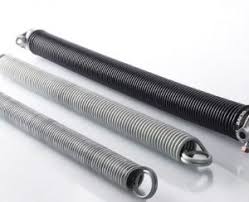
garage door extention springs

Extension springs

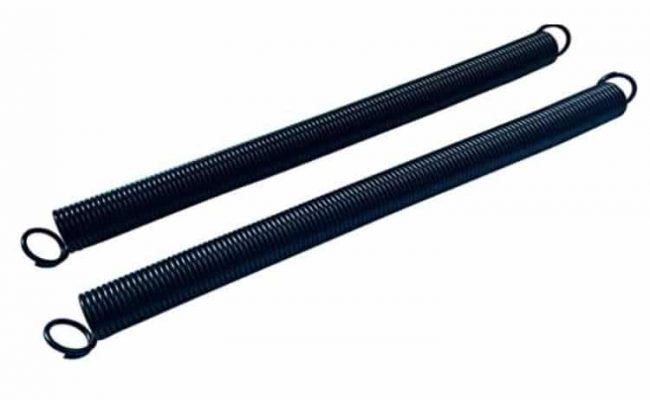
Garage door extension springs are located above the door opening, and they work by extending and contracting as the door is opened and closed. The garage door extension spring is typically used in conjunction with torsion springs, and they help to provide additional lift power.

Like torsion springs, extension springs need to be well-maintained and regularly lubricated in order to function properly. If an extension spring breaks, it can also be very dangerous, as the door will suddenly become very heavy and could fall quickly

who needs extension springs?

If you have a garage door that is more than 10 feet wide, or if you have a very heavy door, you may need extension springs. Extension springs are also recommended for doors that are used frequently, as they will help to extend the life of your torsion springs.

Pricing for extension springs can vary depending on the size, weight, and frequency of use for your door, but they typically range from $100 to $500.


what extension spring do I need for my garage door?

The size, weight, and frequency of use for your door will determine what extension spring you need. A garage door that is more than 10 feet wide, or a very heavy door, will require a different spring than a smaller or lighter door.

Extension springs are available in a variety of sizes, and they are typically categorized by their weight capacity. For example, a 100-pound extension spring can support a door that weighs up to 100 pounds.

Extension springs are also available in different lengths, and the length you need will depend on the height of your garage door. For example, if you have an 8-foot tall door, you will need a longer spring than if you have a 6-foot tall door.

The frequency of use for your door will also affect the extension spring you need. A door that is used frequently will require a higher-quality spring than a door that is used less often.

Garage door extension springs vs torsion springs

Extension springs and torsion springs are the two main types of springs used in garage doors. Both types of springs are located above the door opening, and they work by extending and contracting as the door is opened and closed.

Torsion springs are typically used on heavier doors, while extension springs are used on lighter doors. Extension springs are also recommended for doors that are used frequently, as they will help to extend the life of your torsion springs.

Pricing for extension springs can vary depending on the size, weight, and frequency of use for your door, but they typically range from $100 to $500.

Torsion springs are also available in a variety of sizes, and they are typically categorized by their weight capacity. For example, a 100-pound torsion spring can support a door that weighs up to 100 pounds.

Torsion springs are also available in different lengths, and the length you need will depend on the height of your garage door. For example, if you have an 8-foot tall door, you will need a longer spring than if you have a 6-foot tall door.

The frequency of use for your door will also affect the torsion spring you need. A door that is used frequently will require a higher-quality spring than a door that is used less often.

Pricing for torsion springs can vary depending on the size, weight, and frequency of use for your door, but they typically range from $200 to $800.

Are torsion springs better than extension springs?

There is no definitive answer to this question, as it depends on your individual needs and preferences. If you have a heavier door, or a door that is used frequently, a torsion spring may be a better option for you. Torsion springs are also typically more expensive than extension springs.

If you have a lighter door, or a door that is used less often, an extension spring may be a better option for you. Extension springs are typically less expensive than torsion springs.

It is also important to note that both types of springs require regular maintenance and should be regularly inspected and lubricated in order to function properly.
spring repair near me

When to replace your garage door springs?

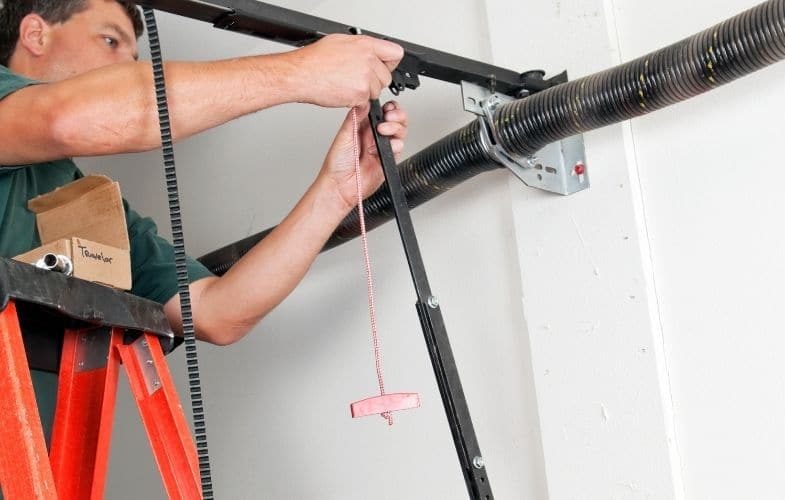
You should replace your garage door springs every 5-7 years. This will help to extend the life of your door and prevent any costly repairs.

If you notice that your door is not opening and closing as smoothly as it used to, or if you hear a loud noise when you operate your door, these could be signs that your springs need to be replaced.

Replacing your springs is a relatively easy process, but it is important to consult with a professional if you are not familiar with this type of repair.

how much does garage door spring repair cost?

The cost of garage door spring repair will vary depending on the severity of the issue, and whether you need to replace one or both springs.

If you only need to replace one spring, the cost will be lower than if you need to replace both springs. The cost will also be affected by the size, weight, and frequency of use for your door.

Replacing your garage door springs is a relatively easy process, but it is important to consult with a professional if you are not familiar with this type of repair.

Pricing for extension springs can vary depending on the size, weight, and frequency of use for your door, but they typically range from $100 to $500.

Pricing for torsion springs can vary depending on the size, weight, and frequency of use for your door, but they typically range from $200 to $800.

If you are unsure about whether or not your springs need to be replaced, you can always contact a professional for a consultation.

Garage door springs are essential components of your garage door, and it is important to make sure that they are properly maintained. If you notice any problems with your springs, or if they seem to be wearing out, be sure to contact a licensed garage door repair professional for assistance.
Summary

Selecting proper springs for your garage door is important for the longevity and function of your door. There are two types of springs available – torsion and extension – and both have their own advantages and disadvantages. Typically, torsion springs are more expensive but have a longer lifespan, while extension springs are less expensive but need to be replaced more often. Ultimately, the type of spring you choose will depend on your individual needs and preferences.

Be sure to regularly inspect and lubricate your springs, and replace them every 5-7 years to prevent any costly repairs. If you notice any problems with your springs, or if they seem to be wearing out, be sure to contact a licensed garage door repair professional for assistance.

Common FAQ's about garage door springs

You should replace both springs at the same time to ensure that they are working evenly and are of the same strength. Replacing just one spring can cause your door to become unbalanced, which may shorten its lifespan or prevent it from working properly.

The cost of garage door spring repair will vary depending on the severity of the issue, and whether you need to replace one or both springs. Replacing your springs is a relatively easy process, but it is important to consult with a professional if you are not familiar with this type of repair.

You should replace your springs every 5-7 years to prevent any costly repairs. If you notice any problems with your springs, or if they seem to be wearing out, be sure to contact a licensed garage door repair professional for assistance.
The most common sign that your garage door springs need to be replaced is if your door starts to become unbalanced or starts to malfunction. If you notice any of these issues, be sure to contact a licensed garage door repair professional for assistance.

Replacing your garage door springs is a relatively easy process, but it is important to consult with a professional if you are not familiar with this type of repair.

You should lubricate your garage door springs at least once a year to prevent any rust or damage. If you notice any problems with your springs, or if they seem to be wearing out, be sure to contact a licensed garage door repair professional for assistance.
You can prevent your garage door springs from breaking by regularly inspecting and lubricating them. If you notice any problems with your springs, or if they seem to be wearing out, be sure to contact a licensed garage door repair professional for assistance.

Leave a Comment

Your email address will not be published. Required fields are marked *

Get News and Updates

What Our Costumers Say

Related Posts

Best Garage Door Brands for Washington DC Homes 2026
Garage Door Installation

Best Garage Door Brands for Washington DC Homes 2026

Choosing the right garage door is a major investment for any homeowner. After all, a garage door affects curb appeal, security, energy efficiency, convenience, and the overall value of a property. Therefore, homeowners searching for the Best garage door brands for Washington DC homes 2026 near in Washington DC need to consider far more than appearance alone. Washington, DC homes face unique conditions. For example, homeowners may deal with humid summers, freezing winter temperatures, heavy rain, strong winds, and changing seasonal conditions. Furthermore, many properties feature older architectural styles, compact garages, townhouses, row homes, and homes where maintaining the exterior appearance is especially important. As a result, choosing a dependable garage door brand can make a significant difference. Moreover, the right garage door can provide reliable operation while complementing the architectural character of your home. At DC Garage Door Services, we understand that every property has different requirements. Therefore, our goal is to help Washington, DC homeowners understand the most important garage door options before making a major investment. Why Garage Door Brand Matters in Washington, DC First of all, the manufacturer behind a garage door can influence its construction quality, available designs, insulation options, hardware compatibility, warranties, and long-term serviceability. However, brand name alone should never determine your purchase. Instead, you should consider how the door performs in your specific property. For instance, a homeowner with an attached garage may prioritize insulation and quiet operation. Meanwhile, someone with a detached garage may place greater emphasis on durability and security. Similarly, historic-looking homes may benefit from carriage-house designs, while modern residences may look better with sleek contemporary doors. Therefore, the best garage door brand is ultimately the one that offers the right combination of: Durability Weather resistance Security Insulation Appearance Hardware quality Available replacement parts Warranty support Professional installation compatibility Long-term value Top Garage Door Brands to Consider in 2026 When researching the Best garage door brands for Washington DC homes 2026 near in Washington DC, several established manufacturers deserve consideration. Popular brands and manufacturers in the residential garage door market include Clopay, Amarr, CHI Overhead Doors, Wayne Dalton, and Raynor. Each manufacturer offers different styles, materials, insulation levels, and design possibilities. Consequently, homeowners should compare individual door models rather than assuming that one brand is automatically perfect for every home. Clopay Garage Doors for Washington DC Homes Clopay is one of the most recognized names in the residential garage door industry. The company offers a broad selection of residential garage doors, including traditional raised-panel, contemporary, carriage-house, and custom-style options. Furthermore, Clopay offers different material and insulation choices, allowing homeowners to select a door according to their budget and performance goals. For Washington, DC homeowners, design flexibility can be particularly valuable. Many local properties have distinctive architectural styles, and therefore, a garage door that looks too modern or generic may not complement the home. Clopay’s broad design selection can make it easier to coordinate a garage door with the exterior appearance of a property. Moreover, homeowners who want improved thermal performance can explore insulated options. This can be especially useful for attached garages where temperature changes may affect nearby living spaces. Amarr Garage Doors for Washington DC Properties Amarr is another established garage door manufacturer that offers residential doors in multiple styles and construction configurations. In addition, Amarr provides options designed around durability, appearance, and energy efficiency. For homeowners in Washington, DC, these characteristics can be important because the garage door is exposed to seasonal weather throughout the year. For example, summer humidity can be demanding on exterior materials. Meanwhile, winter conditions can create additional stress on moving components and weather seals. Therefore, selecting a properly constructed garage door with suitable insulation and weather protection can be a smart long-term decision. Amarr’s residential product range also includes different visual styles. Consequently, homeowners can look for options that complement traditional, transitional, or contemporary properties. CHI Overhead Doors for Washington DC Homes CHI Overhead Doors is another brand worth researching when comparing residential garage door options. The company offers a variety of residential designs, including traditional, carriage-house, contemporary, and specialty styles. Furthermore, homeowners can consider different materials, window configurations, and insulation options depending on the product line. This flexibility can be particularly useful in Washington, DC, where homeowners may want their garage door to blend with brick exteriors, traditional facades, modern renovations, or other distinctive architectural features. Additionally, choosing an appropriately insulated door can help improve the overall performance of an attached garage. Therefore, CHI can be an appealing option for homeowners who want to balance design flexibility and functional performance. Wayne Dalton Garage Doors Wayne Dalton is another well-known name that homeowners may encounter during their garage door research. The manufacturer has offered residential garage doors in various designs, materials, and configurations. Moreover, Wayne Dalton products can provide options for homeowners who want a combination of appearance and functionality. However, homeowners should still compare the exact model, construction, insulation rating, hardware, warranty, and installation requirements before making a decision. After all, two garage doors from the same manufacturer can perform differently depending on their construction and specifications. Raynor Garage Doors Raynor is also an established garage door manufacturer with residential options. The brand provides various designs and configurations, making it another manufacturer worth considering when researching garage doors for Washington, DC homes. Additionally, homeowners should look at the complete system rather than only the door itself. For example, the garage door, tracks, rollers, springs, cables, opener, weather seals, and installation all work together. Therefore, even an excellent garage door can perform poorly if it is installed incorrectly or paired with unsuitable hardware. What Makes a Garage Door Ideal for Washington DC Weather? Washington, DC experiences noticeable seasonal changes. Consequently, garage doors should be selected with weather conditions in mind. During summer, heat and humidity can affect exterior materials and certain mechanical components. On the other hand, winter temperatures can make weather sealing and insulation more important. Furthermore, rain and wind can test the durability of the door and its exterior

Read More
Chevy Chase Garage Door Panel Replacement Near Washington DC
Garage Door Installation

Chevy Chase Garage Door Panel Replacement Near Washington DC

A damaged garage door panel can quickly change the appearance, security, and functionality of your home. Whether a panel has been cracked by a vehicle, damaged by severe weather, or weakened after years of use, leaving the problem unresolved can create bigger issues. Therefore, homeowners searching for Chevy Chase garage door panel replacement near Washington DC need a reliable solution that restores both appearance and performance. At DC Garage Door Services, we provide professional garage door panel replacement solutions designed to address damaged, dented, cracked, and deteriorated panels. Moreover, we understand that every garage door is different. Consequently, our approach begins with evaluating the existing door, identifying the correct panel requirements, and determining whether panel replacement is the most practical option. Instead of automatically recommending an expensive full-door replacement, we focus on finding a suitable repair solution whenever the existing garage door structure remains serviceable. What Is Garage Door Panel Replacement? Garage door panel replacement involves removing a damaged section of a garage door and installing a compatible replacement panel. Unlike replacing the entire garage door, panel replacement focuses specifically on the damaged portion. For example, if the bottom section of your sectional garage door is badly dented while the remaining panels are still in good condition, replacing the damaged panel may restore the door without requiring a complete replacement. Furthermore, panel replacement can improve the door’s appearance and help maintain proper operation. However, the replacement panel must be compatible with the door’s dimensions, construction, design, thickness, and hardware. That is why professional assessment is so important. Why Homeowners in Chevy Chase May Need Garage Door Panel Replacement Garage doors are exposed to daily use and changing environmental conditions. Over time, even a high-quality garage door can develop damage. Vehicle impact is one of the most common causes. A driver may accidentally hit the garage door while backing out or pulling into the garage. As a result, one or more panels can become dented or bent. Additionally, weather can contribute to deterioration. Strong winds, rain, temperature changes, and moisture may gradually affect certain garage door materials. Moreover, accidental impacts from bicycles, lawn equipment, sports equipment, or household items can damage individual sections. Age is another factor. Older panels may become brittle, warped, rusty, or visually worn. Consequently, replacing a severely damaged panel can provide a practical way to improve the door without immediately replacing the entire system. Signs You Need Garage Door Panel Replacement Sometimes panel damage is obvious. However, other problems may be less noticeable. You may need professional panel replacement if you notice: Large dents across a garage door section Cracked or broken panels Bent panel edges Severe rust or corrosion Warped sections Holes or punctures Broken windows within a panel Damaged insulation Panel separation Visible gaps between sections Garage door becoming difficult to close Significant cosmetic deterioration Furthermore, if the damaged panel interferes with the rollers or tracks, continuing to operate the door could potentially create additional mechanical problems. Therefore, an inspection is recommended before the damage becomes more extensive. Can One Garage Door Panel Be Replaced? Yes, in many situations, replacing a single panel is possible. However, whether it is practical depends on the garage door’s design, manufacturer, age, panel availability, and condition of the remaining sections. For instance, a relatively modern sectional garage door with readily available replacement sections may be an excellent candidate for individual panel replacement. On the other hand, an older or discontinued garage door may have panels that are difficult or impossible to match. In that situation, replacing the complete door may be a more practical long-term solution. Therefore, professional evaluation helps determine which option makes the most sense. Garage Door Panel Replacement vs. Full Door Replacement One of the biggest questions homeowners face is whether to replace one panel or the entire garage door. Panel replacement can be attractive when the damage is isolated. Generally, it requires less material and may involve less disruption than installing a completely new garage door. However, a full replacement can make more sense when multiple panels are damaged or the existing door is already near the end of its service life. Additionally, older garage doors may have outdated insulation, worn hardware, weak hinges, deteriorated rollers, or obsolete designs. Therefore, the cheapest immediate repair is not always the most economical long-term solution. At DC Garage Door Services, we can help you evaluate the condition of your existing door and understand the available options. What Determines the Cost of Garage Door Panel Replacement? The cost of garage door panel replacement can vary significantly. Consequently, homeowners should be cautious about online prices that promise one fixed cost for every door. Several factors influence the final price. Panel material: Steel, aluminum, wood, composite, and other materials have different costs. Door size: Larger garage doors generally require larger and potentially more expensive sections. Design: Decorative windows, custom finishes, insulation, and unique patterns can increase replacement costs. Availability: A commonly available panel may be easier to source than an older or discontinued model. Labor: Removing the damaged panel and installing the replacement requires appropriate tools and expertise. Hardware condition: Hinges, rollers, tracks, brackets, and other components may also require inspection or replacement. Door configuration: Single-car and double-car garage doors can require different panel sizes and configurations. Because of these factors, a professional inspection is the best way to obtain a realistic estimate. Why Proper Panel Matching Matters A garage door panel is not simply a flat piece of material. It must work with the other sections as part of a coordinated system. The replacement panel should ideally match the existing sections in dimensions, thickness, profile, color, texture, and construction. Furthermore, the panel needs to interact correctly with the hinges and rollers. If the replacement section is incompatible, the door may not travel smoothly. As a result, professional panel matching can help protect the door’s overall appearance and operation. Common Types of Garage Door Panels Garage doors are available in a wide variety of styles and materials. Steel panels are

Read More
Garage Door Opener Not Working Troubleshooting Guide
Garage Door Installation

Garage Door Opener Not Working Troubleshooting Guide Near Washington DC

When your garage door opener suddenly stops working, the problem can be frustrating, inconvenient, and sometimes even stressful. After all, your garage door is an important part of your home’s security and daily routine. Fortunately, many opener problems have straightforward causes, and with the right troubleshooting steps, you may be able to identify the issue quickly. For homeowners searching for a Garage door opener not working troubleshooting guide near in Washington DC, understanding the warning signs is an excellent first step. Whether the opener makes a clicking sound, the remote does nothing, the motor runs without moving the door, or the garage door reverses unexpectedly, the underlying problem can vary. Therefore, this guide from DC Garage Door Services explains common garage door opener problems, practical troubleshooting steps, safety considerations, and situations where professional service is the smarter solution. In addition, the information below can help you recognize when a simple adjustment may solve the problem and when the opener requires expert attention. Why Is My Garage Door Opener Not Working? A garage door opener is made up of several interconnected components. Consequently, a problem with one component can prevent the entire system from operating correctly. For example, the issue could involve the wall switch, remote control, batteries, power supply, safety sensors, motor, drive system, or even the garage door itself. Moreover, extreme weather, normal wear, loose connections, and improper adjustments can contribute to opener problems. Before assuming that the opener motor has failed, it is important to inspect the simpler possibilities first. In many cases, homeowners discover that the problem is caused by something as basic as a dead remote battery or a disconnected power source. Check the Garage Door Opener Power Supply First, check whether the opener is receiving electrical power. Although this step seems obvious, it is one of the most important parts of troubleshooting. Start by checking the outlet where the opener is plugged in. Next, test the outlet with another device if possible. Additionally, inspect the circuit breaker or electrical panel for a tripped breaker. If the opener has a light or indicator, check whether it is illuminated. If there are no signs of power, the issue may be electrical rather than mechanical. However, do not attempt to repair electrical wiring yourself if you are unfamiliar with electrical systems. Instead, professional assistance can help identify the problem without creating unnecessary safety risks. Test the Garage Door Wall Control If the remote control is not opening the door, try the wall-mounted control button. If the wall button works but the remote does not, the opener motor may still be functioning properly. In that situation, the remote battery, programming, or remote itself could be the problem. On the other hand, if neither the wall button nor the remote works, you should investigate the opener’s power supply, safety sensors, wiring, or motor system. Furthermore, check whether the wall control has loose or damaged wiring. Nevertheless, avoid touching exposed electrical connections unless you are qualified to work with them. Replace the Remote Control Batteries One of the easiest troubleshooting steps is replacing the batteries in the garage door remote. Over time, batteries naturally lose their charge. As a result, the remote may stop communicating reliably with the opener. Install the correct battery type and test the remote again. If the remote still does not work, it may need to be reprogrammed or replaced. Additionally, make sure you are within the normal operating range of the opener. If the remote only works from very close to the garage door, interference, a weak battery, or an issue with the receiver may be involved. Inspect the Garage Door Safety Sensors Safety sensors are among the most important components of a modern garage door opener. They are typically positioned near the bottom of the garage door tracks and communicate with each other using an invisible beam. If the sensors are blocked, misaligned, dirty, or damaged, the opener may refuse to close the garage door. First, inspect both sensor lenses. Then, carefully clean them with a soft, dry cloth. Afterward, make sure both sensors are properly aligned and facing each other. Also, check whether objects, storage boxes, tools, or other items are blocking the sensor path. If the sensors continue to malfunction after basic cleaning and alignment, professional inspection may be necessary. Importantly, never bypass or disable safety sensors because they are designed to prevent accidents and injuries. What If the Garage Door Opens but Will Not Close? A garage door that opens but refuses to close often points toward a safety sensor problem. However, other issues can also cause this behavior. For instance, the opener may detect an obstruction, the sensor wiring may be damaged, or the travel settings may require adjustment. First, inspect the area around the door. Then, check the sensor alignment and lenses. Also, make sure the garage door moves freely by observing its operation without placing yourself underneath it. If the opener continues to reverse or refuses to close, professional troubleshooting is recommended. Check Whether the Garage Door Is Locked Sometimes the opener appears to be malfunctioning when the actual problem is a locked garage door. Therefore, check whether the manual locking mechanism is engaged. If the door is locked, the opener may attempt to operate while being unable to move the door properly. Never force the door or opener when it appears to be locked. Instead, disengage the lock according to the manufacturer’s instructions or contact a professional garage door technician. Inspect the Garage Door Tracks The garage door must travel smoothly along its tracks. Consequently, bent tracks, obstructions, excessive dirt, or damaged rollers can place additional strain on the opener. Look at both vertical and horizontal tracks. If you notice an obvious obstruction, remove it only if it can be done safely without touching moving components. However, do not attempt to straighten severely bent tracks yourself. Garage doors are heavy, and improperly adjusted tracks can create dangerous operating conditions. If the door is crooked, binding, or scraping

Read More